Export CNEX-Certified Explosion-Proof Cranes from China
menu_open
Content Quick Link
Export Opportunities for CNEX-Certified Explosion-Proof Bridge Cranes from China
Most Important Takeaways
- CNEX-certified explosion proof cranes from China provide operational safety in hazardous zones, making them suitable for industrial environments with dust, gas, or chemical hazards.
- While CNEX is not always legally recognized internationally, it adds significant safety assurance, especially for private workshops, mines, and retrofitted factories.
- Export success depends on market selection, regulatory knowledge, and the right certification strategy, not the sheer number of certificates.
Key Takeaways in Bullet Form:
- CNEX ensures explosion-proof performance in hazardous zones.
- CE or local certifications may be required for legal export, but CNEX adds operational credibility.
- ISO-certified manufacturing improves supplier consistency and crane reliability.
- Third-party inspections provide real-world verification of performance and safety.
- Target markets include Southeast Asia, Africa, Latin America, and private industries in the Middle East.
- Cost-sensitive projects benefit from CNEX + ISO + inspection rather than multiple optional certificates.
 CNEX Certification for Export
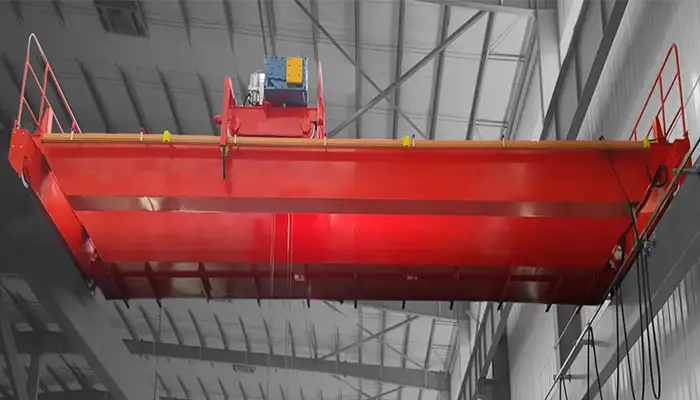
CNEX is China's national certification for explosion-proof electrical equipment, specifically designed for industrial applications like bridge cranes, hoists, motors, and control systems. It confirms that the equipment can operate safely in hazardous environments such as areas with flammable gas, dust, or chemical vapors.
Practical Insights for Export Buyers
Pairing CNEX certification with additional checks and standards makes your purchase both safe and export-ready:
- CE Certification (if needed): Ensures compliance with European Union import and safety regulations.
- ISO Standards (ISO 9001, ISO 14001): Confirms the manufacturer consistently produces high-quality cranes.
- Third-Party Inspections: Provides real-world verification that the crane meets design and safety specifications before shipment.
Why this matters: Buyers can avoid situations where a crane is technically safe (CNEX), but fails customs requirements or operational reliability tests abroad. By combining CNEX with CE, ISO, and independent inspections, you get a crane that is both safe in the plant and acceptable for export markets.
Key Takeaways
- CNEX guarantees safe operation in hazardous zones, including gas, dust, and chemical environments.
- CNEX does not automatically replace CE or local certifications for export purposes.
- Pairing CNEX with CE, ISO, and third-party inspections ensures full safety, reliability, and market acceptance.
- For buyers, CNEX is a practical indicator of hazard safety, but must be part of a broader compliance and quality strategy.
Regional Market Opportunities for CNEX-Certified Cranes
Exporting CNEX-certified explosion-proof bridge cranes from China requires understanding where the certification is practically recognized and valued. Different regions have different regulatory expectations, so knowing where your crane can be used safely and efficiently is key.
Southeast Asia – Vietnam, Thailand, Philippines, Indonesia
CNEX is widely recognized in private workshops and medium-sized industrial facilities.
- CE or local approvals may not always be mandatory, making CNEX a practical solution for operational safety.
- Best suited for mining operations, chemical plants, and medium-scale industrial projects.
- Provides hazard protection for gas and dust zones without the additional cost of full European certification.
Practical Tip: Buyers targeting private industrial facilities in Southeast Asia can leverage CNEX as a cost-effective safety certification for explosion-prone environments.
Africa – South Africa, Egypt, Nigeria
CNEX can complement internal plant safety approvals in African industrial projects.
- Ideal for mines, chemical plants, and other industrial operations where safety is prioritized over full certification.
- CNEX demonstrates that cranes meet operational safety standards, even if local authorities do not formally recognize it.
- Helps buyers reduce risk when installing cranes in dusty or flammable environments.
Practical Tip: Exporters can position CNEX as a reliable safety certificate to private operators and plants that do not strictly enforce CE certification.
Latin America – Brazil, Mexico, Chile
In Latin America, CE or ISO may sometimes be requested for import.
- CNEX provides operational safety credibility, showing that the crane is designed for hazardous areas.
- Suitable for private industrial projects, retrofits, or replacing existing cranes.
- Particularly effective for facilities looking for safety assurance without paying for full CE compliance.
Practical Tip: CNEX can act as a supplementary certificate, boosting confidence among buyers in factories and workshops with medium regulatory oversight.
Middle East – UAE, Oman (Private Industry)
CNEX is valued in private industrial sectors, including oil, gas, and chemical workshops.
- Enables safe crane operations without requiring full local certification.
- Best for private plants where operational safety matters but CE or local approvals are optional or cost-prohibitive.
- Demonstrates the manufacturer's commitment to hazard protection and safe operation.
Practical Tip: Middle Eastern buyers in private industry often prioritize equipment safety and reliability, making CNEX a practical selling point for exporters.
Key Takeaways for Regional Markets
- Southeast Asia: CNEX is widely accepted in private workshops and mid-size industrial facilities.
- Africa: CNEX complements internal safety approvals, ideal for mines and chemical plants.
- Latin America: CNEX provides operational safety credibility, suitable for retrofits or private projects.
- Middle East: CNEX is practical for oil, gas, and chemical private workshops, where CE is optional.
- Overall: CNEX works best where safety is valued but full legal certification may not be required.
Niche Project Opportunities for CNEX-Certified Cranes
CNEX-certified explosion-proof cranes are not just for big industrial plants—they're highly practical for specific niche projects where safety in hazardous areas matters more than strict legal certification. Understanding these applications helps buyers and exporters match cranes to the right projects and regions.
Private Workshops and Factories
Small to medium-sized private workshops often operate in environments where flammable dust, gas, or chemical residues exist.
- CNEX certification provides assurance that electrical hoists, motors, and control systems are explosion-proof.
- CE or local approvals may not be strictly required, so CNEX can cover operational safety without extra certification costs.
- Ideal for workshops handling metal, chemical, or combustible materials where safety is a practical concern.
Practical Tip: CNEX cranes give private operators confidence in daily operations without the need for additional legal documentation.
Mining Operations
Mines present high-risk environments with combustible dust or gases. Safety equipment is critical.
- CNEX-certified cranes protect against sparks, short circuits, and electrical faults in these hazardous areas.
- Cost-effective compared to importing fully CE-compliant cranes, especially for local or regional mines.
- Supports operations like coal handling, metal ore lifting, or bulk material transfers, where safety cannot be compromised.
Practical Tip: Mining companies can prioritize CNEX cranes for hazard mitigation, combining them with third-party inspections for extra verification.
Chemical and Industrial Plants
Chemical plants and heavy industrial facilities often require reliable explosion-proof equipment.
- CNEX ensures motors, hoists, and control panels meet strict Chinese explosion-proof standards, suitable for gas and dust zones.
- Ideal for factories producing or handling flammable chemicals, paints, powders, or combustible raw materials.
- Helps reduce operational risk without necessarily having full CE or IECEx certifications.
Practical Tip: CNEX cranes can be a practical choice for new plants or expansions where safety is the top priority but budgets are tight.
Retrofits & Replacements
Older industrial facilities may need crane upgrades in hazardous areas.
- CNEX-certified cranes provide verified safety performance for replacements of worn or non-certified cranes.
- They can integrate with existing overhead systems without requiring complete plant recertification.
- Useful for industries like steel, mining, chemical, or small-scale manufacturing, where operational continuity is critical.
Practical Tip: CNEX cranes make retrofits safer and simpler, offering a cost-effective solution that meets hazard requirements.
Key Takeaways for Niche Projects
- CNEX-certified cranes are practical for small workshops, mines, and chemical plants.
- They provide explosion-proof reliability without always needing CE or local certifications.
- Ideal for retrofits, replacements, or budget-sensitive projects in hazardous environments.
- Combining CNEX with ISO-certified manufacturing and third-party inspections increases buyer confidence and operational safety.
Buyer & Market Considerations for CNEX-Certified Cranes
When considering CNEX-certified explosion-proof bridge cranes from China, buyers need to balance safety, regulatory requirements, and cost-effectiveness. Understanding these factors can save time, reduce risk, and ensure the crane fits the operational environment.
Export Buyers: Know Your Local Regulations
- CNEX ensures operational safety, but it does not automatically replace CE, IECEx, or local certifications required for legal imports.
- Before purchase, verify whether your country or region requires additional certification for industrial cranes in hazardous zones.
- For some private or industrial facilities, CNEX may be sufficient for operational approval, even if CE is legally required for full market entry.
Practical Tip: Always check customs and industrial regulations in advance to avoid delays or additional certification costs.
Practical Feasibility: Where CNEX Works Best
- CNEX-certified cranes perform well in non-regulated or partially regulated industrial zones.
- Suitable for private workshops, retrofitted facilities, and mid-size chemical or mining plants.
- Provides verified explosion-proof reliability without the extra expense of full CE certification.
Practical Tip: Focus on projects where safety is critical, but full legal certification is optional or flexible.
Competitive Advantage: Safety Meets Cost Efficiency
- CNEX cranes offer a safety-first solution that is also cost-effective for industrial clients.
- Buyers benefit from reduced operational risk, while exporters can position CNEX as a practical and affordable option.
- Particularly useful for budget-sensitive projects, retrofits, or private sector installations.
Practical Tip: Emphasize CNEX as a verified safety certification when marketing to clients who prioritize hazard protection over paperwork.
Complementary Strategy: Combine Certifications for Confidence
- Pair CNEX with ISO-certified manufacturing to ensure consistent quality and reliable crane performance.
- Use third-party inspections to verify load capacity, operational safety, and design compliance.
- This combination reassures buyers that the crane is safe, high-quality, and ready for industrial operations abroad.
Practical Tip: A CNEX + ISO + inspection strategy reduces buyer hesitation and strengthens trust for international exports.
Key Takeaways for Buyers
- CNEX provides operational safety but may not replace CE or local legal certifications.
- Best suited for non-regulated or partially regulated industrial zones.
- Offers a cost-effective, safe alternative for industrial clients.
- Combining CNEX with ISO and third-party inspections maximizes buyer confidence and operational reliability.
Strategic Recommendations for Manufacturers of CNEX-Certified Cranes
Exporting CNEX-certified explosion-proof bridge cranes from China requires more than just having the certificate. Success comes from targeting the right markets, positioning CNEX correctly, and supporting buyers with practical tools.
Focus on Regions and Industries Where CNEX is Recognized
- Prioritize Southeast Asia (Vietnam, Thailand, Philippines, Indonesia), Africa (South Africa, Egypt, Nigeria), Latin America (Brazil, Mexico, Chile), and private industries in the Middle East (UAE, Oman).
- CNEX is well-understood and valued in private workshops, industrial plants, mines, and chemical facilities.
- Exporters should research local regulations to know where CNEX is sufficient for operational safety and where additional certifications may be needed.
Practical Tip: By focusing on markets where CNEX is recognized, manufacturers reduce the risk of export delays or buyer rejections.
Position CNEX as a Safety Advantage
- CNEX should be highlighted as a proven safety certification, not a replacement for CE, ISO, or local certifications.
- Emphasize the crane's explosion-proof electrical components, hoists, and control systems in marketing materials.
- Show buyers that CNEX ensures operational safety, particularly in hazardous environments like gas, dust, or chemical zones.
Practical Tip: Use CNEX as a selling point for operational reliability and safety, especially when targeting private projects or budget-sensitive clients.
Target Niche Projects
- Focus on private workshops, mines, retrofits, and industrial plants where CNEX adds tangible value.
- Niche projects often prioritize hazard protection and cost-effectiveness over full CE compliance.
- Retrofits or replacements of existing cranes are ideal opportunities, allowing CNEX-certified cranes to upgrade safety without major plant modifications.
Practical Tip: Identify projects where safety, cost, and feasibility intersect—these are where CNEX cranes excel.
Support Buyers with Technical Tools
- Offer technical support, inspection services, and detailed documentation to build buyer confidence.
- Provide load test reports, operational manuals, and hazard-zone compatibility guides.
- Optional third-party inspections can reassure buyers that the crane meets design and safety standards.
Practical Tip: Supporting buyers with clear documentation and inspection reports reduces hesitation and strengthens trust in your CNEX-certified cranes.
Key Takeaways for Manufacturers
- Focus on regions and industries where CNEX is understood and valued.
- Position CNEX as a practical safety certification, not a replacement for CE or ISO.
- Target niche projects like private workshops, mines, retrofits, and industrial plants.
- Provide technical support, inspection services, and detailed documentation to improve buyer confidence and facilitate sales.
FAQ: Exporting CNEX-Certified Explosion-Proof Bridge Cranes
Q1: Where are CNEX-certified cranes realistically marketable?
CNEX-certified cranes are best suited for regions and projects where operational safety is valued, even if full CE or local certification is not strictly required. Key markets include:
- Southeast Asia: Vietnam, Thailand, Philippines, Indonesia – ideal for private workshops and medium-sized industrial facilities.
- Africa: South Africa, Egypt, Nigeria – mines, chemical plants, and industrial operations where safety is prioritized.
- Latin America: Brazil, Mexico, Chile – private industrial projects, retrofits, and replacements.
- Middle East: UAE, Oman – private industries like oil, gas, and chemical sectors.
Practical Tip: Focus on markets where CNEX is recognized as a credible safety certification, even if it doesn't replace CE or ISO.
Q2: How does CNEX fit into export regulations and operational safety?
CNEX guarantees explosion-proof performance in hazardous zones, covering electrical components, hoists, and control systems.
- Operational Safety: Ensures reliable operation in dust, gas, and chemical environments.
- Export Regulations: CNEX is not always a substitute for CE, ISO, or local certifications. Some countries may require additional certification for import and legal compliance.
Practical Tip: Combine CNEX with ISO-certified manufacturing and third-party inspections to ensure both legal acceptance and real-world safety.
Q3: Which industries and niche projects are ideal for CNEX cranes?
CNEX cranes are particularly effective in hazard-prone environments where safety is critical:
- Private workshops and factories – small to medium plants handling combustible materials.
- Mining operations – coal, metal ores, or other dusty, flammable environments.
- Chemical and industrial plants – handling flammable powders, liquids, or gases.
- Retrofits & replacements – upgrading existing cranes without major system overhauls.
Practical Tip: CNEX cranes work best where safety and operational reliability matter more than full CE compliance.
Q4: How can buyers and sales teams balance safety, quality, and legal requirements when exporting CNEX cranes?
Balancing these factors requires a strategic approach:
- Safety: CNEX ensures explosion-proof operation in hazardous zones.
- Quality: ISO-certified manufacturing guarantees consistent crane performance.
- Verification: Third-party inspections confirm load capacity, functional performance, and real-world safety.
- Regulatory Compliance: CE or local certification may be required for certain export markets; CNEX can supplement, not replace, these requirements.
Practical Tip: Use a CNEX + ISO + third-party inspection strategy to maximize buyer confidence and operational reliability while keeping costs manageable.
Conclusion: Making CNEX-Certified Cranes Work in Export Markets
CNEX-certified explosion-proof bridge cranes from China offer strong export potential, especially where operational safety in hazardous zones is critical. They are not just certificates on paper—they are practical tools for protecting personnel and equipment in dust, gas, and chemical environments.
For buyers and sales teams, the focus should be on matching the right crane to the right market and project. Here's a practical checklist:
Practical Guidance for Buyers and Sales Teams
- Target markets where safety matters most, even if CE or other local certifications are optional. CNEX is valued for operational reliability, particularly in private workshops, mining, and chemical plants.
- Combine CNEX with ISO-certified manufacturing and third-party inspection to ensure both crane quality and real-world performance.
- Prioritize relevant safety, operational feasibility, and cost-effectiveness over simply collecting multiple certificates. Focus on what actually matters for your plant or export project.
Key Takeaway
By applying these principles, CNEX-certified cranes can:
- Meet industrial demand in regions where operational safety is critical.
- Ensure safe and reliable operation in hazardous zones, protecting both personnel and equipment.
- Provide cost-effective, practical solutions for buyers and operators worldwide.

Article by Bella ,who has been in the hoist and crane field since 2016. Bella provides overhead crane & gantry crane consultation services for clients who need a customized overhead travelling crane solution.Contact her to get free consultation.